
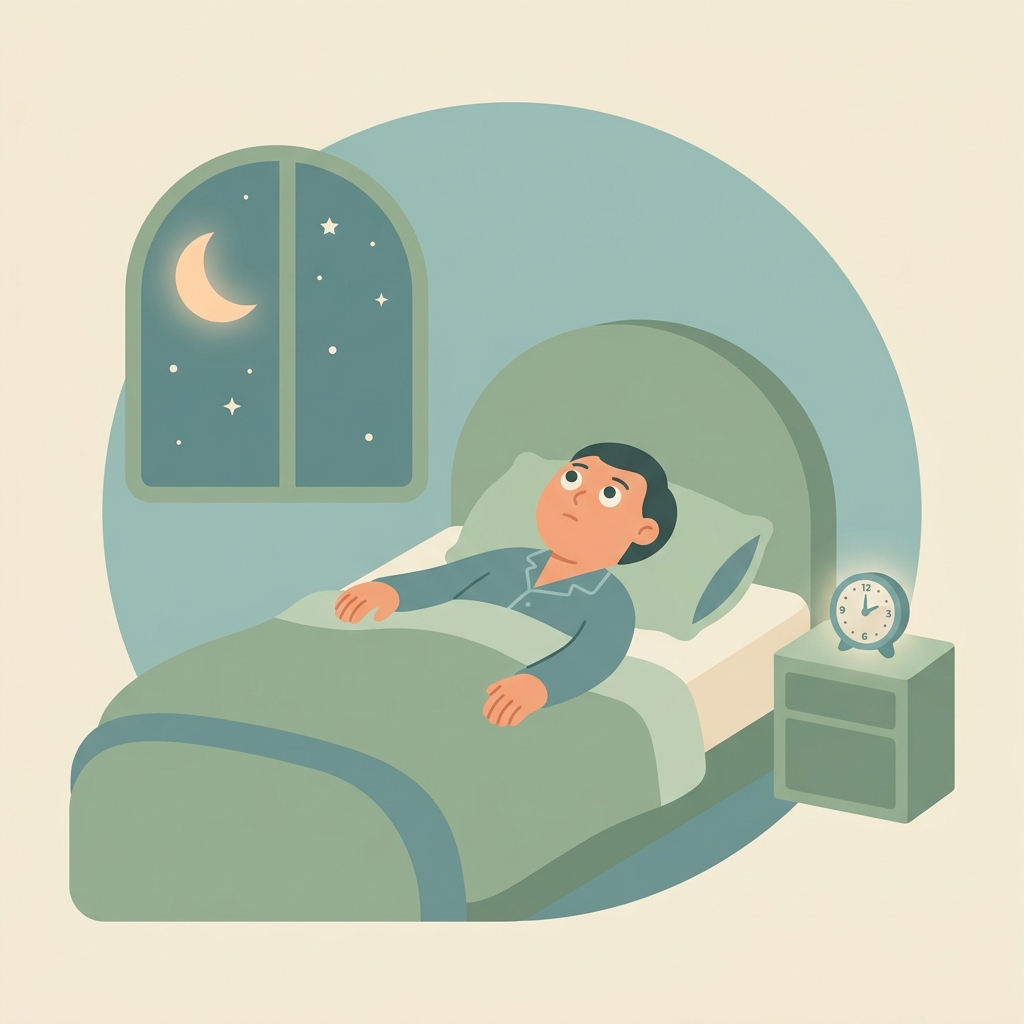
Trouble sleeping after quitting catches a lot of people off guard. They expected cravings. They did not expect to be staring at the ceiling at two in the morning.
Nicotine is a stimulant. Smokers get used to falling asleep with a certain level of it in their system, and used to a specific rhythm of sleep built around that. When nicotine disappears, your body has to relearn how to fall asleep and stay asleep without it, and that relearning period is not instant.
On top of that, withdrawal itself raises restlessness and lowers your ability to switch off mentally, which makes falling asleep harder even before you account for the missing nicotine.
The good news is that this specific problem is usually temporary. Sleep disruption is typically worst in the first one to two weeks and gradually improves from there, even if it does not disappear all at once.
Need help right now?
If a craving feels strong, send a support request and we’ll connect you with an available supporter.
A few things help in the meantime.
Keep a consistent wake time, even after a bad night. Sleeping in to make up for lost sleep often makes the next night harder, not easier. A steady wake time helps your body relearn its rhythm faster.
Cut caffeine earlier in the day than you used to. Nicotine actually speeds up how your body processes caffeine. Once nicotine is gone, the same afternoon coffee can hit differently and linger closer to bedtime than it did before.
Move a hard workout or a stressful task earlier in the day. Cravings and restlessness are often worse in the evening. Anything you can do earlier reduces what your body has to manage right before bed.
Expect one or two rough nights without reading too much into them. A bad night early on is common and does not mean sleep will not recover. It usually does, on roughly the same timeline as the rest of withdrawal.
If sleep problems are severe or last well beyond the first few weeks, it is worth mentioning to a doctor. But for most people, this is one of the withdrawal symptoms that quietly resolves on its own, even when it does not feel like it will.