
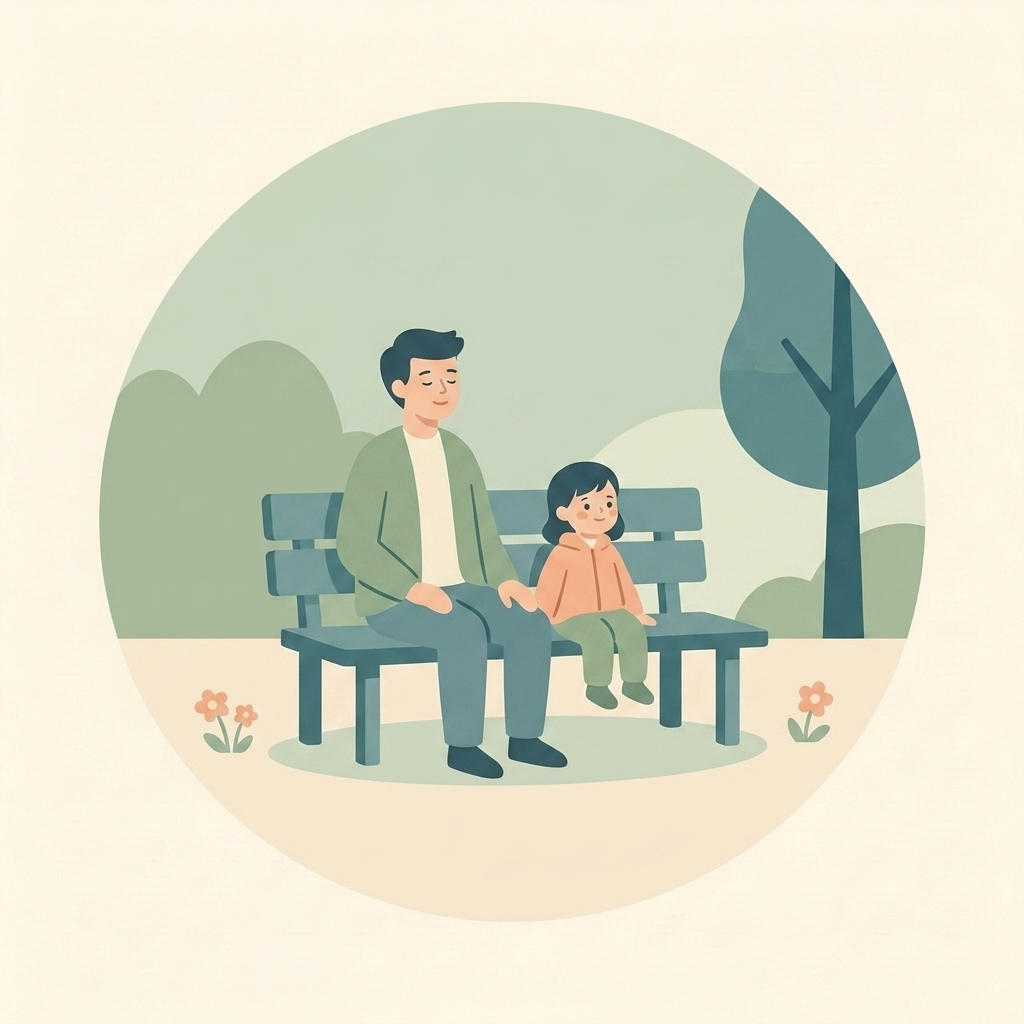
Most of the case for quitting is made in terms of your own health. There is a second case that gets less airtime, and for some people it matters more: the people who breathe your smoke without choosing to.
Secondhand smoke is not a diluted, harmless version of what you inhale directly. It contains many of the same harmful chemicals, and for people who live with a smoker, regular exposure raises real risks, including heart disease and respiratory problems in adults, and a higher rate of ear infections, asthma, and slowed lung development in children specifically. Infants exposed to secondhand smoke also face a higher risk of sudden infant death syndrome. None of this requires the smoker to smoke inside the house constantly. Smoke residue on clothes, furniture, and car interiors, sometimes called thirdhand smoke, carries its own exposure even after the smoke itself has cleared.
If you have a partner, kids, an older parent, or a pet in the home, they are absorbing some version of this every day you smoke around them, whether or not anyone mentions it.
The reversal starts as soon as you stop. Secondhand smoke exposure drops immediately once you are not smoking indoors or in the car, which are the two settings where household members get the highest doses. Children in nonsmoking households have measurably fewer respiratory infections and asthma flare-ups within a relatively short window after a household smoker quits.
If quitting for yourself has not been enough motivation on a hard day, this is worth sitting with directly. The people closest to you do not get a say in your cigarette. They only get the exposure. Quitting is one of the few decisions where the people who benefit most from your choice are not always the person who made it.